
Striving for Sustainability
At Dedham Vale Tree Surgery, being an environmentally conscious, sustainable tree surgery is at the heart of everything we do. We always prioritise the preservation of trees, only recommending removal when it is absolutely necessary. Wherever possible, we replant to help offset the environmental impact of our work and support long-term biodiversity.
What is Biomass?
How is Biomass used?
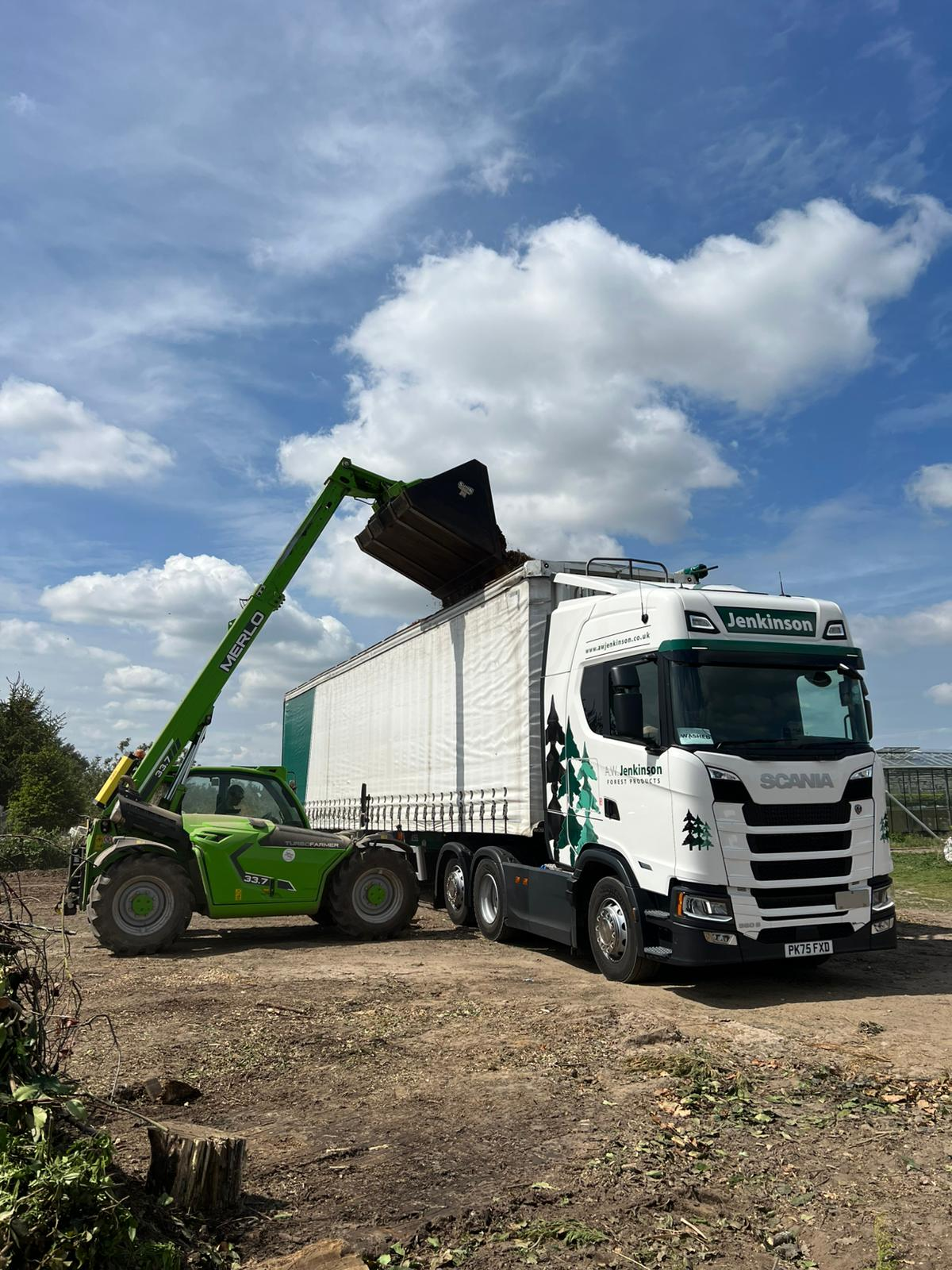
As part of our commitment to reducing waste, we recycle a significant proportion of the biomass generated through our operations. We partner with reputable companies such as A.W. Jenkinson and Sylvagen to process arboricultural residues—including twigs, leaves, and branches—as well as virgin wood (untreated timber free from chemicals, preservatives, or paints).
When handled correctly, this biomass can be repurposed to generate renewable electricity, provide heat, or be converted into biofuels. Managed sustainably, woody biomass is considered carbon-efficient, as the carbon released during energy generation is broadly equivalent to the amount absorbed by the tree during its lifetime.
Renewable Energy in the UK
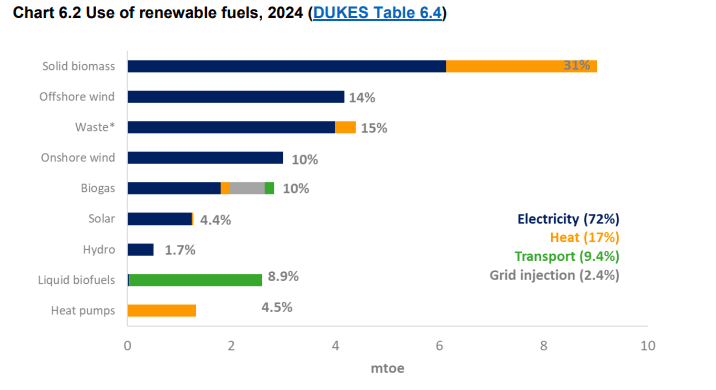
This approach also contributes to the UK’s wider renewable energy mix. In fact, biomass accounted for around 31% of renewable energy use in 2024, making it the single largest contributor—primarily for electricity generation, but also for heating (DUKES, 2025).
Supporting Sustainable Tree Care in Dedham Vale
By ensuring that as much of our green waste as possible is reused rather than discarded, we help turn necessary tree work into part of a wider, sustainable energy cycle. It’s just one of the ways Dedham Vale Tree Surgery is working to reduce environmental impact while continuing to care for the local landscape responsibly.
If you’re looking for a reliable and environmentally conscious tree surgeon in Dedham Vale or the surrounding areas, get in touch with our team today.
References
Department for Business, Energy and Industrial Strategy (2025) Digest of United Kingdom Energy Statistics (DUKES) 2025. London: BEIS. Available at: https://www.gov.uk/government/collections/digest-of-uk-energy-statistics-dukes (Accessed: 06/05/2026). [1]